Howards End (1992 dir. James Ivory)

“Didn’t do wrong, did I?”

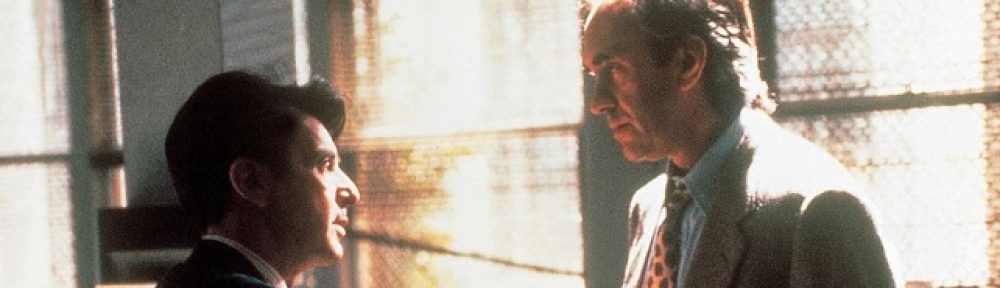
So asks Henry Wilcox (Anthony Hopkins) at the end of Merchant/Ivory’s magnum Opus, Howards End. His righteous insecurities already fuel enough of the conflict in James Ivory’s film, but even he cannot decide anything for himself or bring himself to look his wife in the eye when confronting his own guilt and shame regarding misbehaviors, bad choices, and broken promises.

Broken promises of unexpected gain in fact live at the heart of both E.M. Forester’s book, read only once by me, and this beautiful film. The opening scene of the film establishes the theme with the broken engagement between Helen Schlegel (Helena Bonham Carter) and Paul Wilcox (Joseph Bennett). Then Ruth Wilcox (Vanessa Redgrave) wishes to grant her home to Margaret Schlegel (Emma Thompson), only to have that promise lost by a fateful choice, at least for a time.

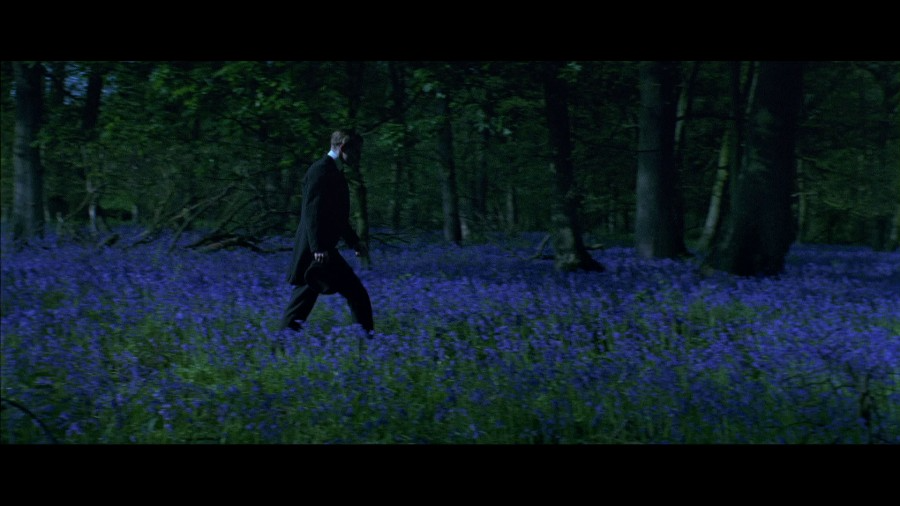
On and on the story goes, promising all sorts of social gain then altering the path so that such gain is harder and harder to reach. I suppose it’s a question of societal worth as well and what we owe to each other that matters in the end. Leonard Bast (Samuel West), who wants nothing from anyone, feels that need the most. His long trek of destiny at the end of the film, from London to the eponymous house, provides the film’s most ethereal sense of hope and dread. He will get to where he is going, but the promise of reasonable resolution will remain elusive.

Every frame of this perfect film feels lovingly blocked and realized. It drips with period detail. Watching it, I feel like I am living in Edwardian times. Much like the inside of Howards End, the film and story’s central set piece, it creates a sense of home and comfort away from the troubles of every day life. This company’s follow-up, The Remains of the Day (1993), gives that sense as well, but this film is their best overall achievement.

And when Henry asks that question at the end, “Didn’t do wrong, did I?” I remember turning to my friend in the theater in 1992 and nodding at her. Yes, yes he did do wrong. He really did.

The Matrix Resurrections (2021 dir. Lana Wachowski)

The Analyst and The One

I unexpectedly found myself reflecting a lot during and after seeing Lana Wachowski’s newest Matrix film. I kept thinking of Shakespear’s Hamlet when the Bard writes, “Doubt that the stars are fire, Doubt that the sun doth move his aides, Doubt truth to be a liar, But never doubt I love.” No matter how one interprets reality, love remains.

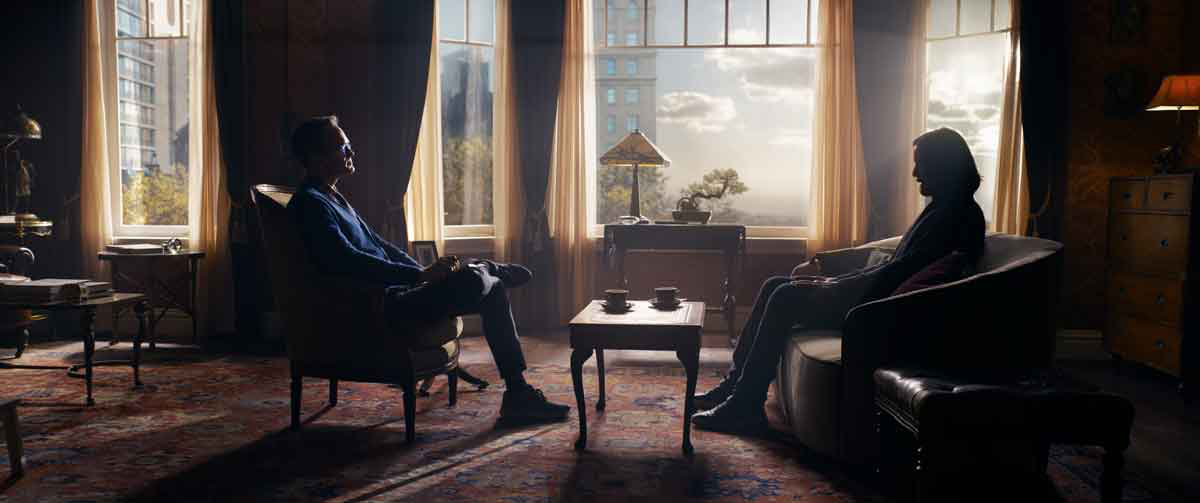
Further reflecting, there’s a scene in The Matrix (1999) that must work otherwise everything else that comes after makes no difference. It’s the scene when Morpheus (Laurence Fishburne) and Neo (Keanu Reeves) are in the white-washed construct and Morpheus gives the necessary exposition to Neo about the Matrix, what it is, what it does, and why it does. Without getting that scene right, which they do, the audience is forever lost.

I thought a lot about that scene during the first act of this new film. I had forgotten how much I enjoyed this cinematic world and how impressive it is that it all hinges on one important scene from more than two decades ago. With so much established exposition, this time they play with the mythology, seeing what they can get away with, and expanding the world even further. If you’ve never seen a Matrix film I don’t know how you’ll make sense of this one.

But more important than the world expanding premise is The Matrix Resurrections‘ simpler, more intimate story and its questions about what truly makes reality so valuable. When the confusing and unending sounds of identity, conflict, even war can be tuned out, what remains? The film argues, very well, therein remains love, no matter how you interpret reality.

Wonder Woman 1984 (2020 dir. Patty Jenkins)

Kristen Wiig, Gal Gadot, and Pedro Pascal confront greed, instant gratification and each other.

I know the feeling well. If only I had this one thing, if I could go to this one place, if I could change just this one part about myself then, well, life will be okay. The problem is that once I get that thing, go to that place, or apparently change myself then another thing, place, or trait is already waiting to tempt me, tell me I didn’t quite get it right this time but next time it will be better.

That promise of unearned privilege and reward, of instant gratification, forms the foundation of Patty Jenkins’ film. It is not the most solid of foundations but it’s constructed just well enough to uphold the chaos this story creates for its characters. I wasn’t sure about it at first, but about fifteen minutes into the film I kind of fell into accepting it for what it is.

The tone and look of it is so altered from the first film, which I rewatched the night before finally seeing this one, that I needed some time to adjust. Gone are the somber dark grays and World War I European trench warfare, replaced here with pastels and sunshine covering abundant consumerism which makes the mid-1980’s setting sort of perfect for this film’s overall thesis.

And I say thesis because it is more about ideas than story. I suppose nitpicking the plot could awaken the smart-ass critic inside of me, but the film is so good-hearted about its central focus regarding the opposition of lies and truth that I just can’t bring myself to summon my inner cynical Kraken. The film is fun, watchable, and compelling with good central performances, especially Gal Gadot once again heralding the importance of good casting, Kristen Wiig fully embodying the film’s purpose, and Pedro Pascal with his wanna-be televangical megalomaniacal insecurity.

And when the whole world begins to fulfill their wishes and the addictive disaster of instant gratification begins, I couldn’t help but just be grateful that no one wished for the world to suddenly end. I want to be here for the next Wonder Woman, after all.

12 Days of Christmas

Twelve films for Christmas, or at least ones I associate with the Holidays, listed between now and through the New Year. I had originally hoped to complete this list for Christmas Day, but a family emergency changed that plan. These are not in any particular order.

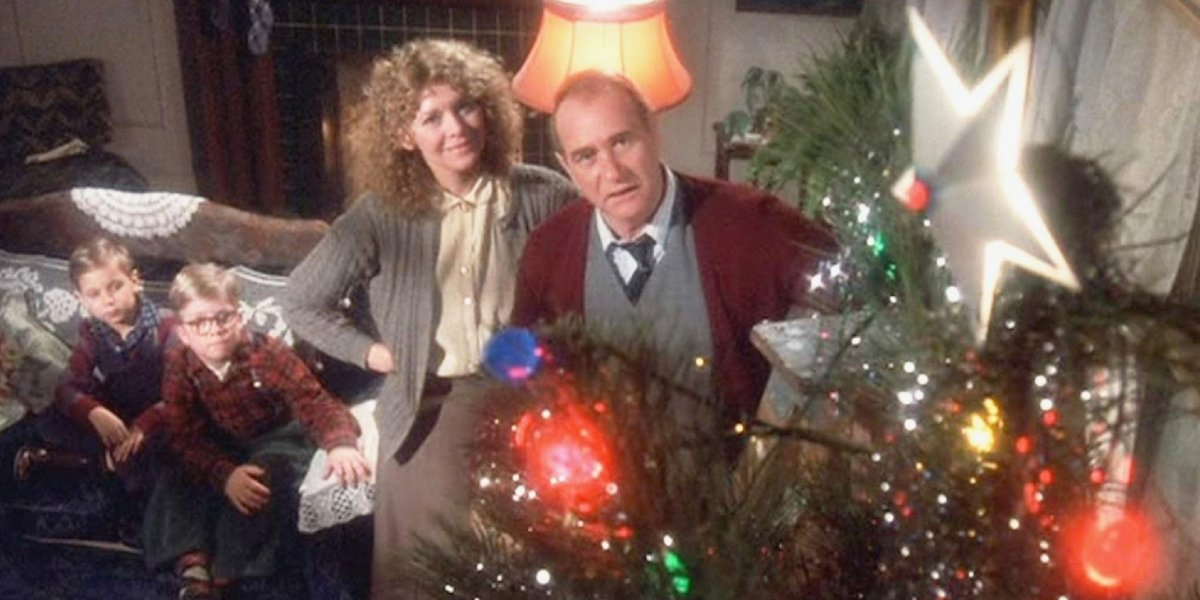
Day 7: A Christmas Story (1983 dir. Bob Clark)

It works so well because it gets the details right. The Wizard of Oz characters in the parade. Lifebuoy soap. Victor, the Lone Ranger’s nephew’s horse. Little Orphan Annie. “Frajeeelay.’ Listening to the radio that’s alway on in the background. Christmas Tree shopping and haggling. The fear of breaking one’s glasses. The anger at the school bully. The joy of receiving that one perfect Christmas gift.

You’ll notice those last three are emotional details, and that’s how the movie grabs me. It doesn’t tell me how to feel about something, it shows me people dealing with them every day. Through vignettes, universally applicable, Bob Clark’s A Christmas Story tells a story set around 1940 but true to the everyday experience of families at the holidays in the United States.

I say around 1940 because the film never really states its exact time. The clues, and you have to kind of decode them like Ralphie (Peter Billingsley) and his decoder ring, all point to circa 1939 but pre 1941, somewhere in there. I wouldn’t call it vague, but the film is brave enough to not say and that choice also keeps it universal.

It’s a beautiful film too, containing one of my all time favorite shots in all of film history. Right at the end, Mother (Melinda Dillon) and the Old Man (Darren McGavin) are sitting facing away from the camera in the glow of the Christmas tree lights as snow gently falls outside of their front room window (no longer occupied by the major award), a chorus quietly singing a carol from the radio. It’s gorgeous stuff, detailing in an unspoken way the love and affection these two certainly must have for each other.

Of course it’s a classic, and it deserves to be one. It will always play. And I agree with Roger Ebert’s observation too, the Old Man knew about Ralphie’s fight before he got home.